
Facial Trauma & Reconstruction
Facial Trauma & Reconstruction
The areas of Facial Trauma and Reconstruction cover a vast spectrum of surgical procedures.
Facial Trauma
Within the realm of Facial Trauma are treatment of fractures of the complex facial skeleton including frontal bones, the orbits (eye socket), nasal bones, zygoma (cheek bones) and the upper and lower jaws (maxilla and mandible). Also included are soft tissue repair of the complex structures of the face, eyelids, ears, nose and scalp. Finally, comprehensive care of the facial trauma patient often includes revision and remodeling of scars and traumatic deformities.
Facial Reconstructive
Facial Reconstructive procedures include Cleft Lip and Palate surgery, surgery to correct skeletal and facial deformities (Orthognathic and Craniofacial surgery) and Sleep Apnea surgery. In addition, the esthetic reconstruction of hard and soft tissues following cancer surgery and traumatic defects is always important.
Facial Trauma
The discipline of facial trauma surgery oftentimes involves the coordination of treatment of associated injuries, such as neurologic, orthopedic,abdominal, chest and soft tissue injuries, as well as coordination of the management of blood and fluid losses. Dr Milne has extensive experience and training in trauma and surgical and medical critical care obtained during his surgical residencies and practice in major Level 1 Trauma centers in Chicago, Miami and Jacksonville.
Facial trauma surgery performed by Dr. Milne include, but is not limited to.
- Facial and scalp lacerations
- Repair of critical anatomic areas (ears, nose,eyelids, lips)
- Fractured facial bones (cheek, nose, eye socket, forehead)
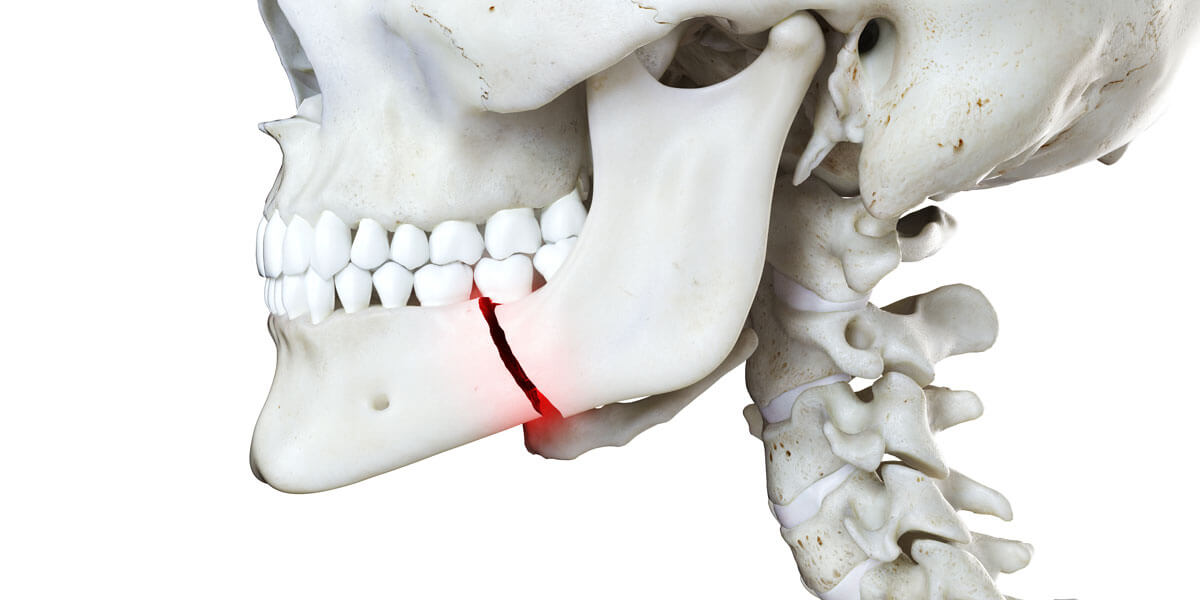
- Fractured maxilla and mandible (upper and lower jaw)
- Delayed scar and long term wound repair
The Nature Of Maxillofacial Trauma
There are a number of possible causes of facial trauma such as motor vehicle accidents, accidental falls, sports injuries, interpersonal violence, and work-related injuries. Types of facial injuries can range from injuries of teeth to extremely severe injuries of the skin and bones of the face. Typically, facial injuries are classified as either soft tissue injuries (skin and gums), bone injuries (fractures), or injuries to special regions (such as the eyes, facial nerves or the salivary glands).
Soft Tissue Injuries Of The Maxillofacial Region
When soft tissue injuries such as lacerations occur on the face, they are repaired by suturing. In addition to the obvious concern of providing a repair that yields the best cosmetic result possible, care is taken to inspect for and treat injuries to structures such as facial nerves, salivary glands, and salivary ducts (or outflow channels). Dr. Milne is a well-trained in both maxillofacial and facial plastic surgery and is proficient at diagnosing and treating all types of complex facial lacerations, along with the deep structures supporting the skin. In addition, Dr.Milne is highly skilled in cosmetic and reconstructive procedures and techniques to restore the facial tissues to their natural contours.
Bone Injuries Of The Maxillofacial Region
Fractures of the bones of the face are treated in a manner similar to the fractures in other parts of the body. The specific form of treatment is determined by various factors, which include the location of the fracture, the severity of the fracture, the age, and general health of the patient. When an arm or a leg is fractured, a cast is often applied to stabilize the bone to allow for proper healing. Since a cast cannot be placed on the face, other means have been developed to stabilize facial fractures.
One of these options involves wiring the jaws together for certain fractures of the upper and/or lower jaw. Certain other types of fractures of the jaw are best treated and stabilized by the surgical placement of small plates and screws at the involved site. This technique of treatment can often allow for healing and obviates the necessity of having the jaws wired together. This technique is called “rigid fixation” of a fracture. The relatively recent development and use of rigid fixation has profoundly improved the recovery period for many patients, allowing them to return to normal function more quickly.
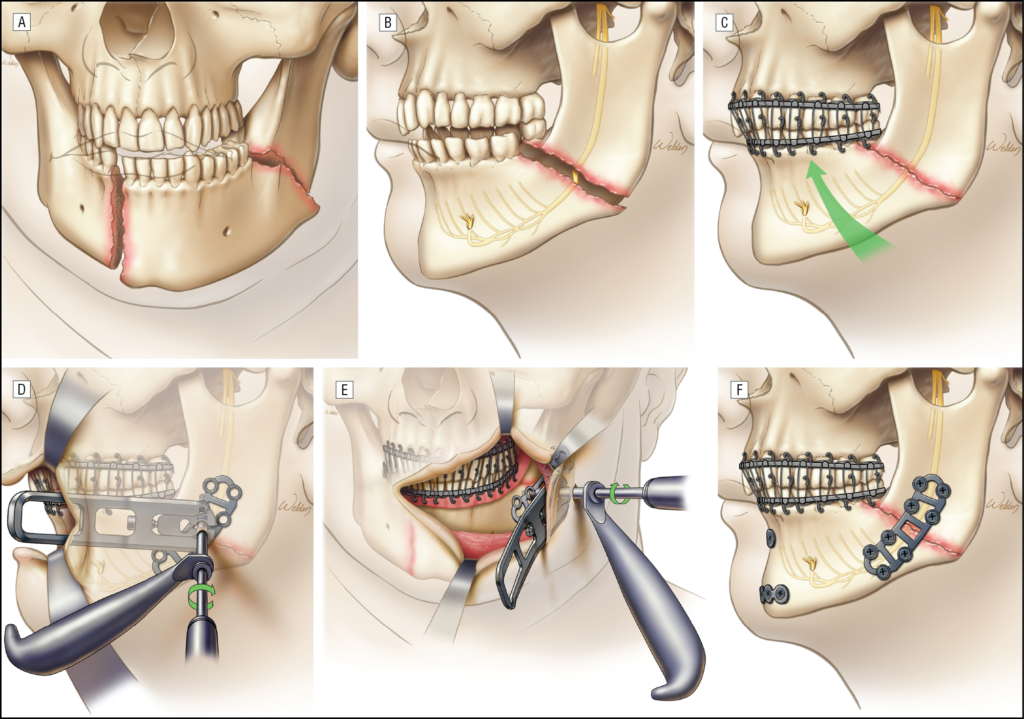
The treatment of facial fractures should be accomplished in a thorough and predictable manner. More importantly, the patient’s facial appearance should be minimally affected. An attempt at accessing the facial bones through the least invasive approaches possible. At the same time, the incisions that become necessary, are designed to be small and, whenever possible, are placed so that the resultant scar is hidden.
The proper treatment of facial injuries is now the realm of specialists who are well versed in emergency care, acute treatment, long-term reconstruction, and rehabilitation of the patient.
Orthognathic (Corrective Jaw) Surgery
Orthognathic surgery is needed when jaws don’t meet correctly and/or skeletal disproportions exist in the zygoma (cheek), nasal, maxillary (upper jaw and palate) and mandibular(lower jaw) bones. Corrective jaw surgery ( orthognathic surgery) repositions the upper and lower jaws and palate. In addition, cheek, chin and nasal irregularities, when they exist can be simultaneously treated. This not only improves facial appearance, but also ensures that the jaws meet correctly and function properly.
Difficulty in the following areas should be evaluated:
- Difficulty in chewing, biting or swallowing
- Speech problems
- Chronic jaw or TMJ pain
- Open bite
- Protruding jaw
- Breathing problems
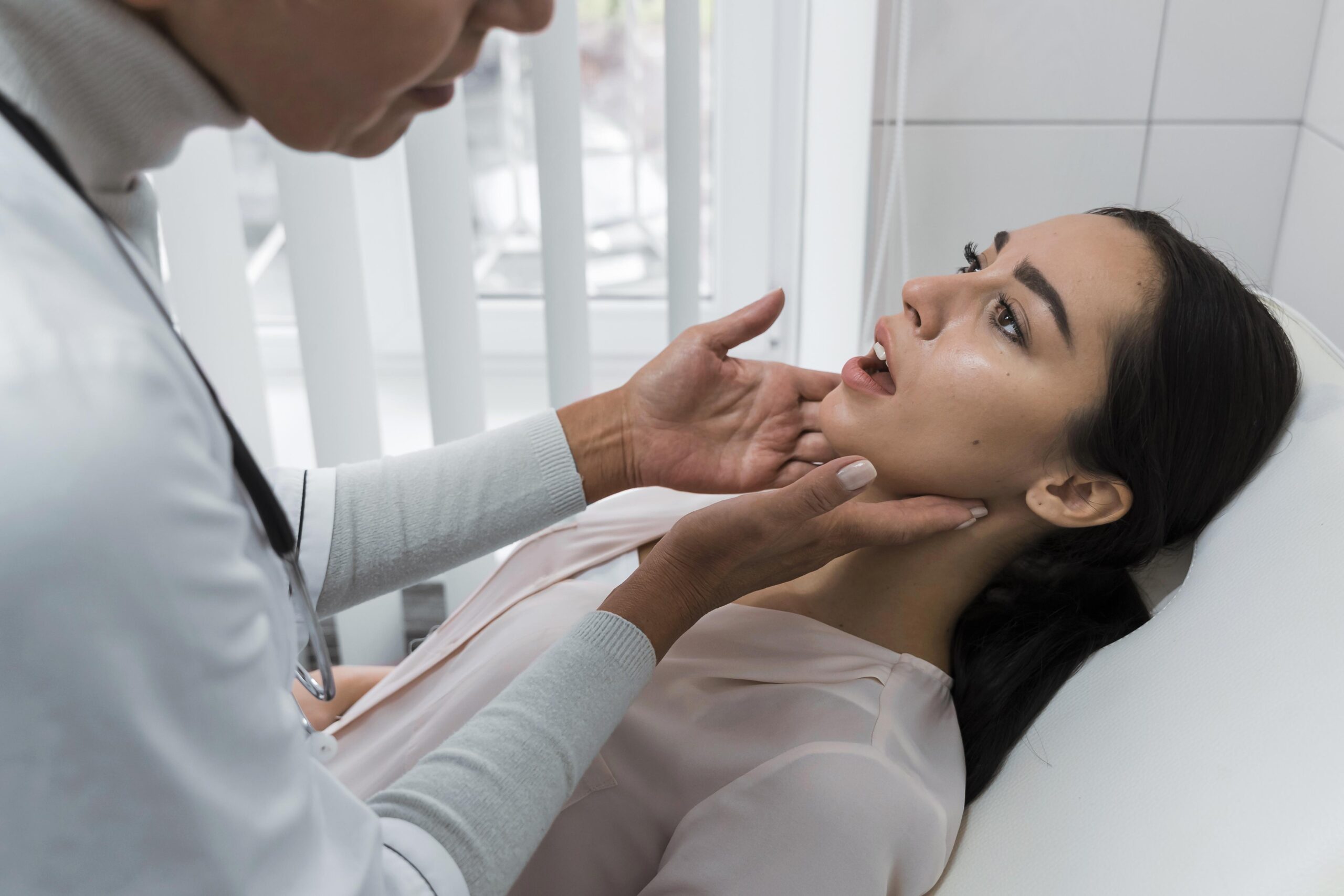
Any of these symptoms can exist at birth, be acquired after birth as a result of hereditary or environmental influences, or as a result of trauma to the face. Before any treatment begins, a consultation will be held to perform a complete examination with x-rays. During the pre-treatment consultation process, feel free to ask any questions that you have regarding your treatment. When you are fully informed about the aspects of your care, you and your healthcare team can make the decision to proceed with treatment together.
Who Needs Orthognathic Surgery?
People who can benefit from orthognathic surgery include those with an improper bite or jaws that are positioned incorrectly. Jaw growth is a gradual process and in some instances, the upper and lower jaws may grow at different rates. The result can be a host of problems that can affect chewing function, speech, long-term oral health and facial appearance. Injury to the jaw and birth defects frequently cause jaw disparities. Orthodontics alone can correct minor bite problems when only the teeth are involved. Orthognathic surgery may be required for the jaws when conditions such as congenitally oversized, undersized, narrow, wide or assymetric facial skeleton patterns exist, requiring repositioning.
Technology & Orthognathic Surgery
Dr. Milne uses modern computer techniques and three-dimensional models to show you exactly how your surgery will be approached. Using comprehensive facial x-rays and computer video imaging, we can show you how your bite will be improved and even give you an idea of how you’ll look after surgery. This helps you understand the surgical process and the extent of the treatment prescribed. Our goal is to help you understand the benefits of orthognathic surgery.
If you are a candidate for corrective jaw surgery, Dr.Milne will work closely with your orthodontist during your treatment. The actual surgery can move your jaws into a new position that results in a more attractive, functional, and healthy jaw-facial relationship. In addition, nasal deformities, flat cheeks and chin deformities can be simultaneously treated as indicated.
Common Questions AboutFacial Trauma & Reconstruction
You should seek immediate care if you experience severe pain, bleeding, broken teeth, swelling, jaw misalignment, or difficulty speaking or chewing after a facial injury.Healthy individuals who want to improve facial appearance, reduce signs of aging, or correct facial concerns are usually good candidates. A consultation helps determine the best treatment plan.
We treat broken teeth, knocked-out teeth, jaw injuries, soft tissue injuries, facial fractures, and dental trauma caused by accidents or sports injuries in Austin.
Yes, a knocked-out tooth can often be saved if treated within 30–60 minutes. Place the tooth in milk or saliva and visit our Austin dental office immediately.
Facial trauma treatment is performed using modern techniques and anesthesia to ensure comfort and minimize pain during the procedure.
Yes, we provide emergency facial trauma care and same-day appointments for patients in Austin who need urgent treatment.
Apply gentle pressure to stop bleeding, use a cold compress to reduce swelling, avoid touching the injured area, and seek emergency dental or medical care as soon as possible.
Most dental and medical insurance plans may cover facial trauma treatment depending on the type of injury and treatment needed. Our Austin team can help verify your coverage.