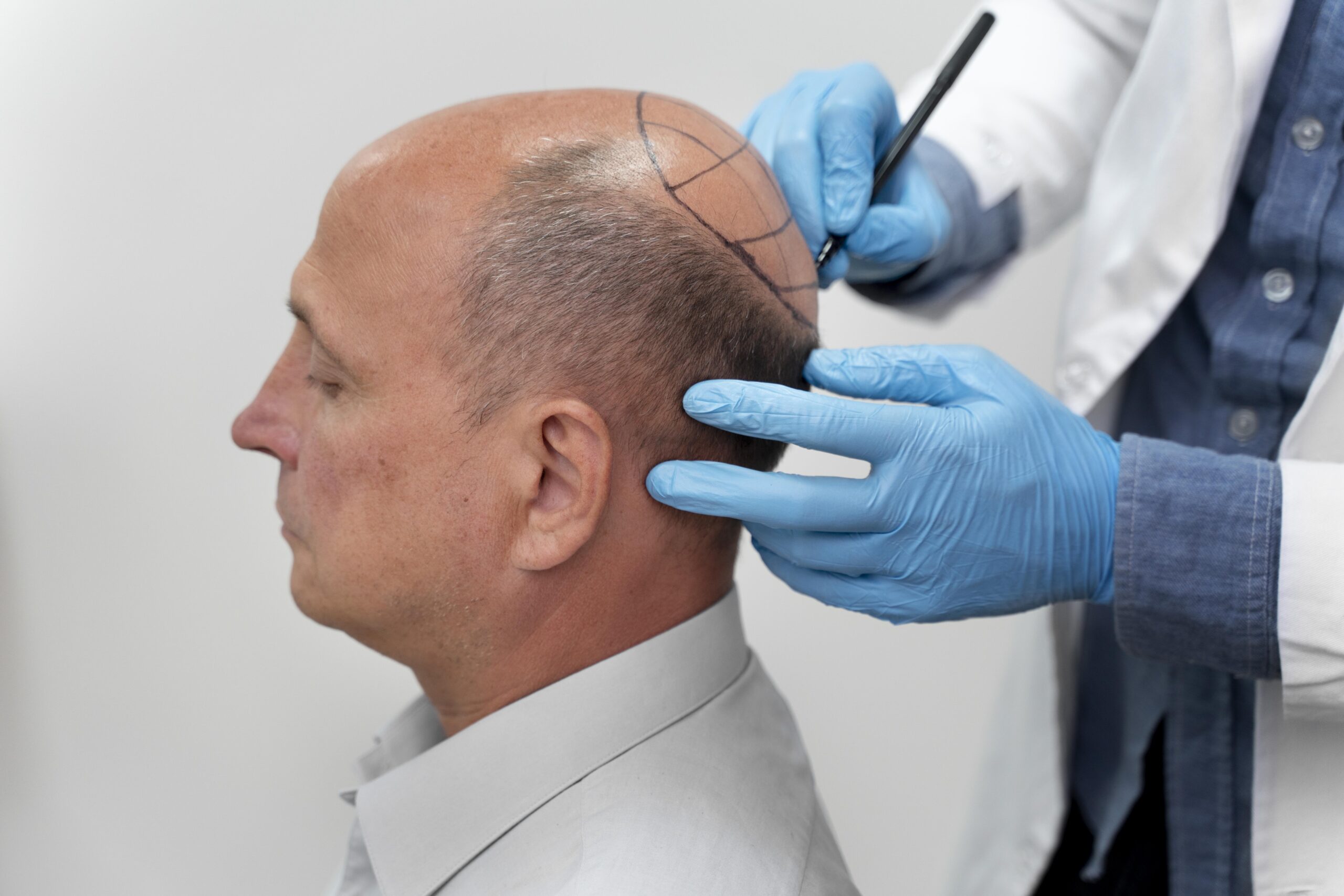
Hair Restoration

Hair loss is primarily caused by aging, a change in hormones, and a family history of baldness. As a rule, the earlier hair loss begins, the more severe the baldness will become. Burns or trauma, in which case hair replacement surgery is considered a reconstructive treatment, may be covered by health insurance.
If you and your doctor have determined that hair transplants are the best option for you, you can feel comfortable knowing that surgeons have been successfully performing this type of procedure for more than 30 years.
If you’re considering hair replacement surgery, this site will give you a basic understanding of the variety of procedures involved. It can’t answer all of your questions, since a lot depends on your individual circumstances

The truth about hair loss

Baldness is often blamed on poor circulation to the scalp, vitamin deficiencies, dandruff, among other things. While these factors as well as many others can affect hair growth, they rarely are the sole cause of hair loss. In the vast majority of cases, hair loss is caused by male (or female) pattern hair loss. Male-pattern or female-pattern baldness represents about 90% of all hair loss cases. This condition is determined mainly by the predestined genetics of the individual. Hair loss occurs when a hormone called DHT ( Dihydrotestosterone) which precipitates hair loss builds up around the hair follicle. When an individuals hair has a genetically determined receptiveness to DHT in a particular pattern ,hair loss occurs at those areas, usually in a progressive fashion. However, most individuals, whether partially bald or not have geneticaly resistant areas of scalp, which can be used as donor hair.

Hair replacement surgery can enhance your appearance and your self-confidence, but the results won’t necessarily match your ideal. Before you decide to have surgery, think carefully about your expectations and discuss them with Dr. Milne. It’s important to understand that all hair replacement techniques use your existing hair. The goal of surgery is to find the most efficient uses for existing hair.
Hair replacement candidates must have healthy hair growth at the back and sides of the head to serve as donor areas. Donor areas are the places on the head from which grafts and flaps are taken. Other factors, such as hair color, texture and waviness or curliness may also affect the cosmetic result. There are a number of techniques used in hair replacement surgery. Sometimes, two or more techniques are used to achieve the best results.
Transplant techniques, such as punch grafts, mini-grafts, micro-grafts, slit grafts, and strip grafts are generally performed on patients who desire a more modest change in hair fullness. Flaps, tissue-expansion and scalp-reduction are procedures that are usually more appropriate for patients who desire a more dramatic change.
When reviewing information about specific plastic surgery procedures, it is important to understand that the circumstances and experience of every individual are unique. If you are considering plastic surgery, please ask your plastic surgeon for further information about the particular procedure and what you can expect.


Follicular Unit Transplants

Today’s advanced surgical techniques provide natural looking, permanent solutions for those that are balding or have thinning hair. Follicular Unit Transplanting is one such advanced surgical technique. Hair follicles are redistributed in a manner that closely simulates the natural distribution of hair in the scalp.
During follicular-unit micrografting ,hair from donor areas of the back of the scalp and temples is used to replace hair that has been lost in traditional areas of pattern baldness. Once obtained from the donor area of the scalp, the graft material is microscopically dissected into various size hair clusters, consisting of one to four hair follicles. Follicular unit grafts are then carefully implanted into the bald or thinning recipient areas. Meticulous care is given to recreate natural appearing hair distribution that defies detection. Micrografts can be used both to add density to thinning areas or to completely recreate bald regions of the scalp. Most importantly, the transplanted hair is permanent.

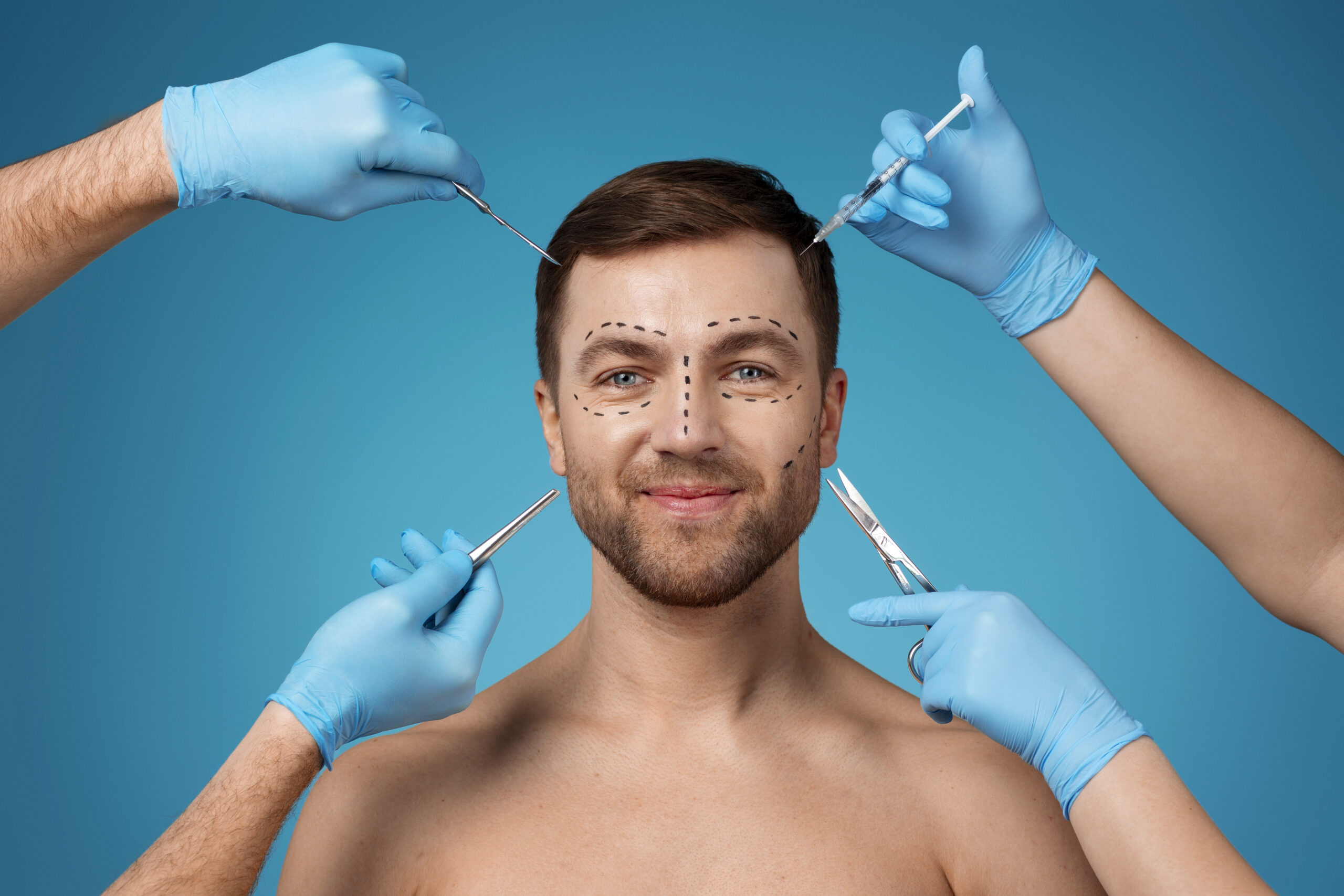
Cosmetic Surgery for Men

S-Lift Facelift with Platysmapasty Neck Lift (Before & After)
This patient with heavy neck skin was looking for improvement of sagging skin of the face and neck without looking “operated “. The S-Lift Facelift is often the perfect choice for men. Noone needs to know !

Common Questions About Hair Restoration

Hair restoration is a medical or non-surgical treatment designed to restore hair growth, reduce hair loss, and improve scalp health using advanced techniques such as PRP therapy, laser therapy, or hair transplant procedures in Austin.
Anyone experiencing hair thinning, hair loss, receding hairline, or bald spots can be a good candidate. A professional consultation in Austin helps determine the best treatment based on scalp condition and hair loss stage.
Yes, modern hair restoration treatments are safe and minimally invasive when performed by experienced professionals. Clinics in Austin use FDA-approved technologies and proven techniques to ensure safe and effective results.
Most patients begin to see visible hair growth within 3 to 6 months, while full results typically appear within 6 to 12 months depending on the treatment plan and individual response.
Most hair restoration treatments involve little to no pain. Non-surgical procedures like PRP or laser therapy cause minimal discomfort, and local anesthesia is used for surgical treatments if needed.
The cost of hair restoration in Austin varies based on the treatment type, hair loss condition, and number of sessions required. A personalized consultation helps determine the exact pricing.